A German Car Can’t Save Me: Life on a Mobile Grocery Truck That Reveals More Than Commerce
Read 0
Before dawn breaks at Talad Thai in Pathum Thani, Uncle Noom and Aunt Na begin their day by sorting vegetables and fresh produce. If it rained the night before, every bag must be replaced so customers can clearly see what they're buying. Only then does their mobile grocery truck roll out to greet the morning.
This opening scene sets the tone for the short documentary A German Car Can’t Save Me, which follows a couple who have spent over 18 years in this profession, firmly believing that their work is about people more than products.
The film takes us along Uncle Noom’s daily route through villages, communities, gas stations, and even construction camps. His customers range from elderly residents who rarely leave their homes, to seniors with limited mobility, and migrant workers from Cambodia, Laos, and Myanmar who rely on his truck for fresh ingredients every single day.
Though some may see this job as unstable or unglamorous, it has supported Uncle Noom’s family, funded his child’s education, and kept them debt-free.
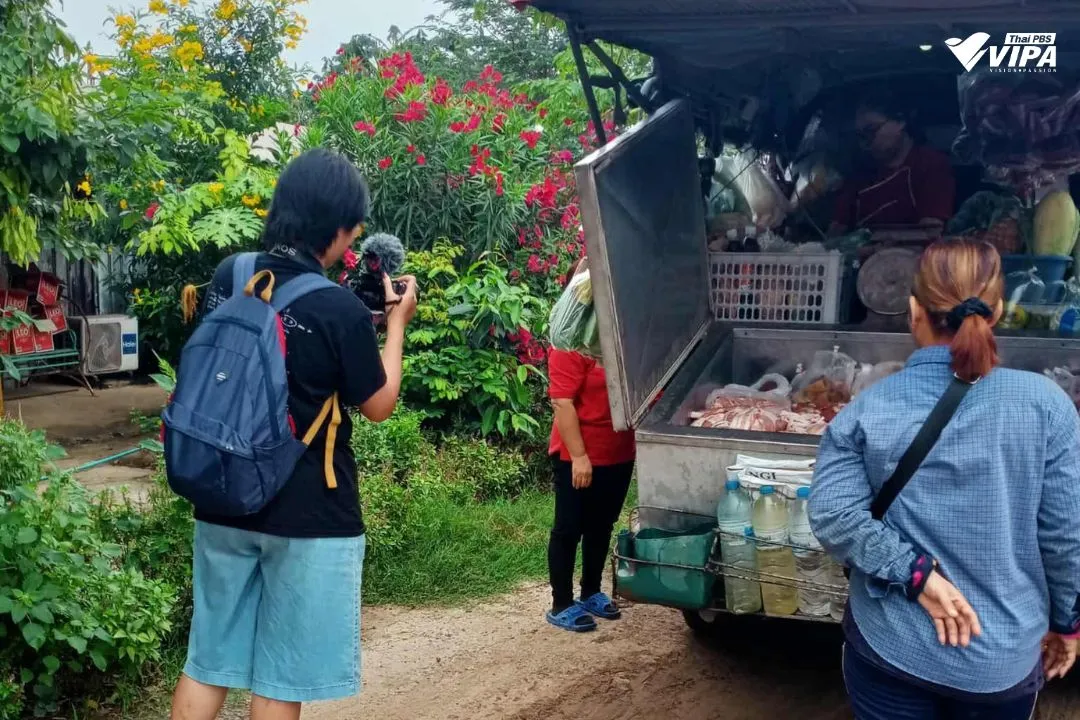
Looking at Thailand’s retail landscape makes the documentary’s message even more significant. Convenience stores and supermarkets have rapidly expanded over the past decade, increasingly offering fresh produce. Yet studies consistently show that fresh food in Thailand still relies heavily on traditional outlets — local markets and mobile grocery trucks.
It comes down to familiarity, trust, and accessibility, qualities even the most modern stores struggle to replace.
Mobile grocery trucks have limitations — prices are often 10–15 percent higher than at wet markets due to operating costs. But their ability to reach deep into communities, their attentiveness to individual customers, and their role as a “moving marketplace” in areas where modern retail never reaches, make them an essential gear in Thailand’s food system, especially for migrant communities and lower- to middle-income families.
The film shows a diverse range of people who depend on this truck. From an elderly woman who buys vegetables every morning to migrant workers who are often judged harshly online and offline. Yet Uncle Noom insists they are some of his best customers — honest, kind, and responsible.
He shares a humorous but revealing anecdote about a misunderstanding around the term “white powder,” which reflects the linguistic gaps and cultural learning that come with serving such a diverse customer base.
The relationship between Uncle Noom, Aunt Na, and the communities they serve is far more than transactional. It is built on trust, mutual support, and equality, regardless of nationality or background.
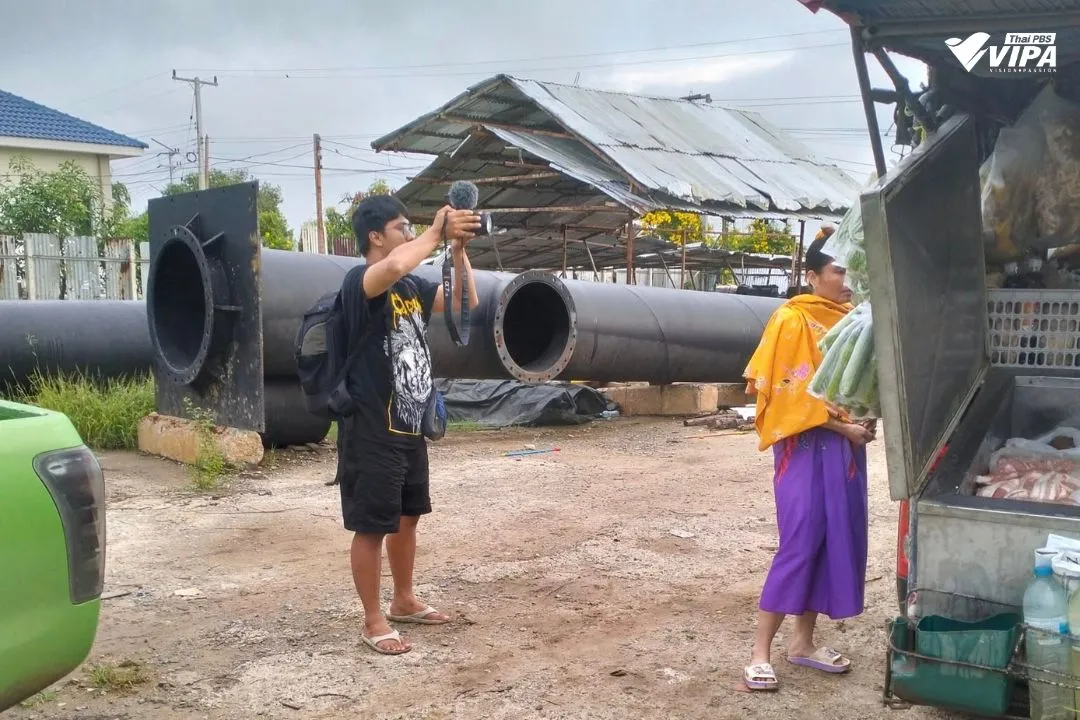
When asked if he would prefer driving a German car instead, he immediately said no. The mobile grocery truck is his real life — the job that sustains his family and the community he’s tied to. It’s not a machine that leads to luxury but a space where he feels valued.
A German Car Can’t Save Me is therefore not just a story about itinerant vendors. It reflects Thailand’s urban structure, technology, and expanding retail systems that still cannot replace the human connection embedded in this humble truck.
In a world shifting rapidly toward automation and innovation, what people long for most isn’t faster delivery or the lowest price. It’s genuine sincerity, something no AI can generate — but something born naturally when buyer and seller look each other in the eye.
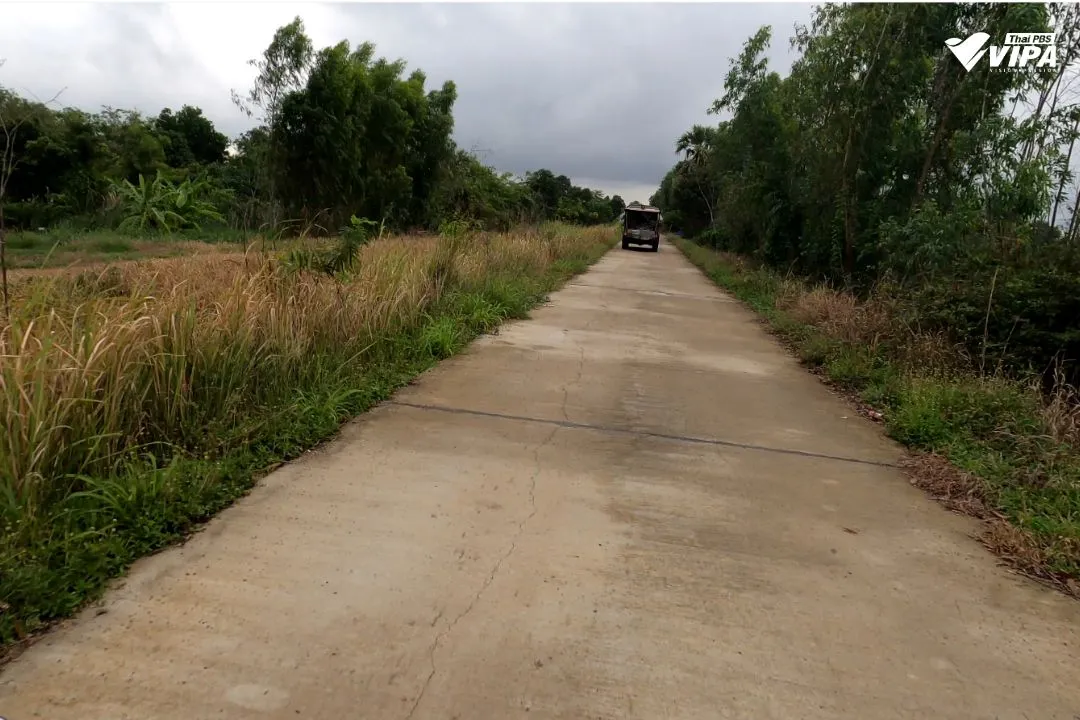
The real value of this profession doesn’t lie in how shiny the vehicle is or how much it carries. It lies in honesty, dedication, and the quiet but enduring bond between seller and customer.
The same bond Uncle Noom and Aunt Na pass on through every small bag of vegetables they hang for customers each morning.
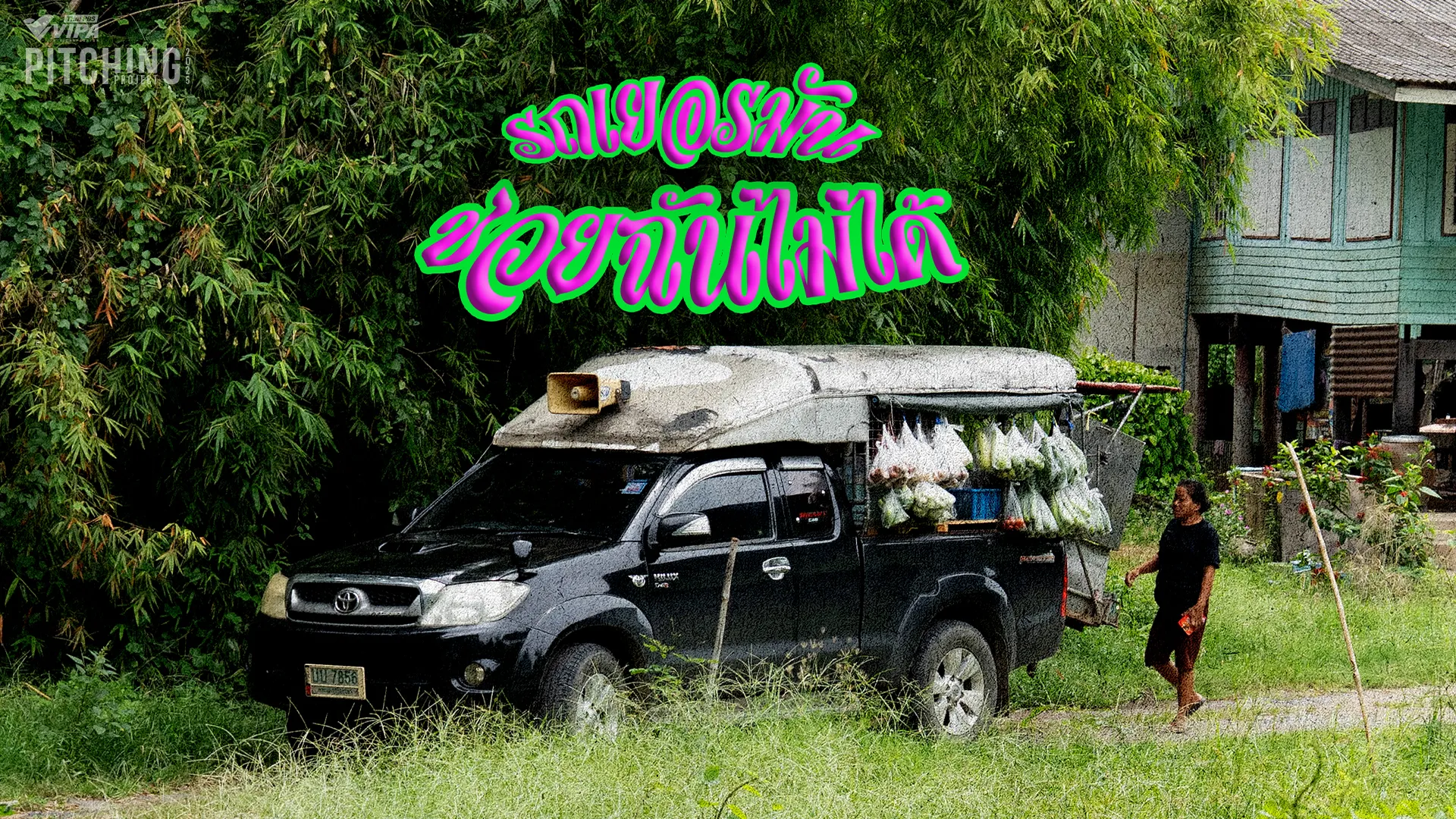
Watch the award-winning short documentary A German Car Can’t Save Me, second runner-up of the #VIPAPitchingProject2025, at: ▶️ https://vipa.me/th/watch/14547
.
References
- OKMD Knowledge Portal
- Springer Link
- The Cloud
About Author

Oakland Krist
a pop culturist who breathes it like air | a storyteller with pretty much still in the making | a little poetic but absurd at the same time