Trails to Oishii Tokyo What makes Japanese food so delicious?
Read 0
If you are captivated by Japanese cuisine, gather around !
Japanese food is famous for its blend of natural ingredients with meticulous preparation, crafting a truly delicious, simple flavour. In reality, they are made by complex processes. This is especially in Tokyo, acknowledged as one of the world's most important culinary metropolises. It serves both as a gathering point for a vast array of high-quality ingredients from across the nation and as a major hub for food distribution via its famous "markets." This entire fascinating system is the very heart of this documentary series.
Originally, the series was titled Trails to Tsukiji, a name tied to the famous Tsukiji fish market. However, when Tokyo's main fish market relocated to Toyosu in October 2018, which is a major change in the Japanese food world, the program decided to change its name to broaden its scope and explore the food landscape more extensively. It no longer circulates solely around Tsukiji or Toyosu, but now also explores other vital food centres, such as the Ota Market and Depachika (food halls in department stores), and continues its journey to the origins of ingredients in other prefectures and regions.
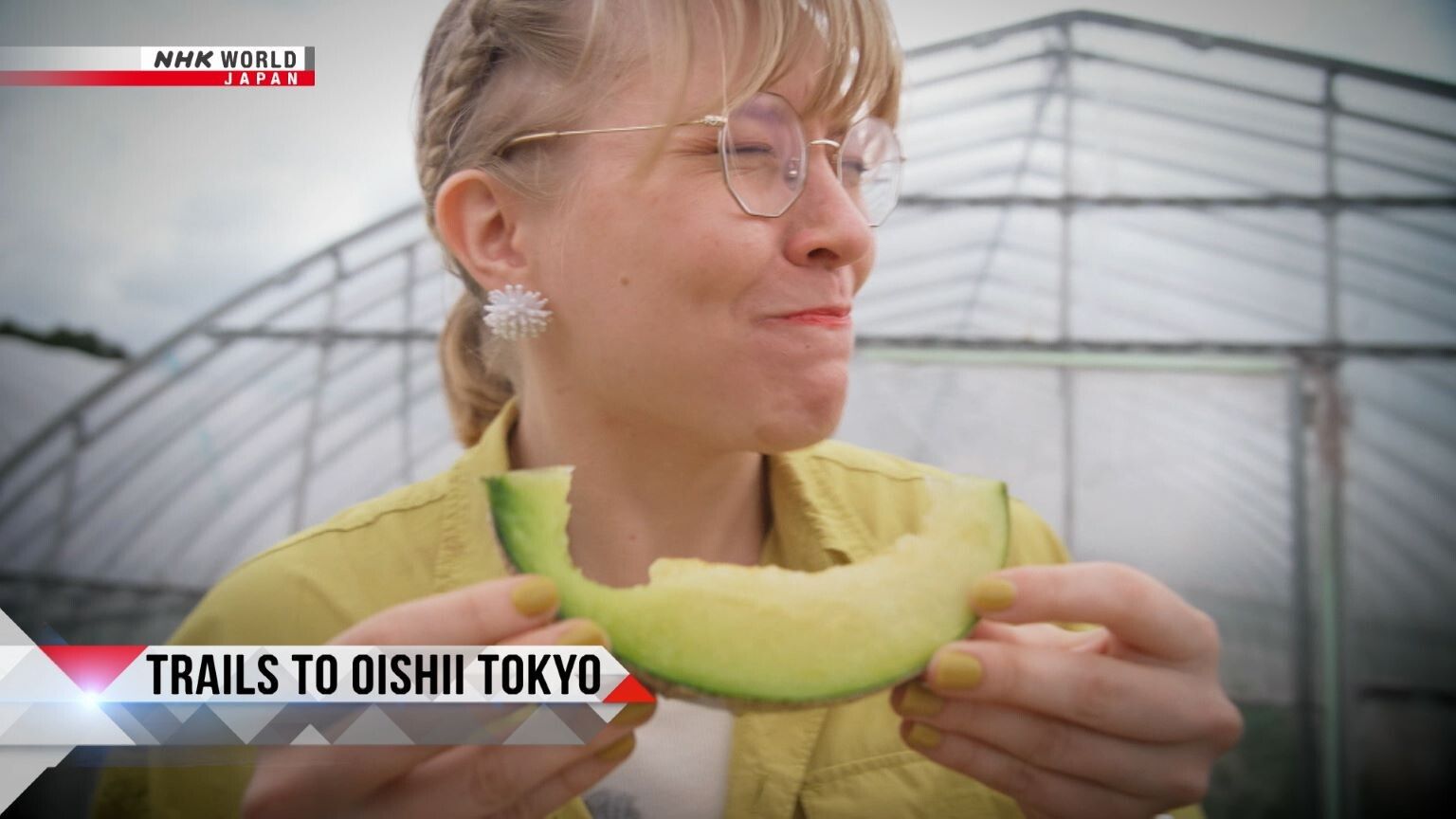 ภาพจากสารคดี Trails to Oishii Tokyo ตามรอย "โออิชี" แห่งโตเกียว
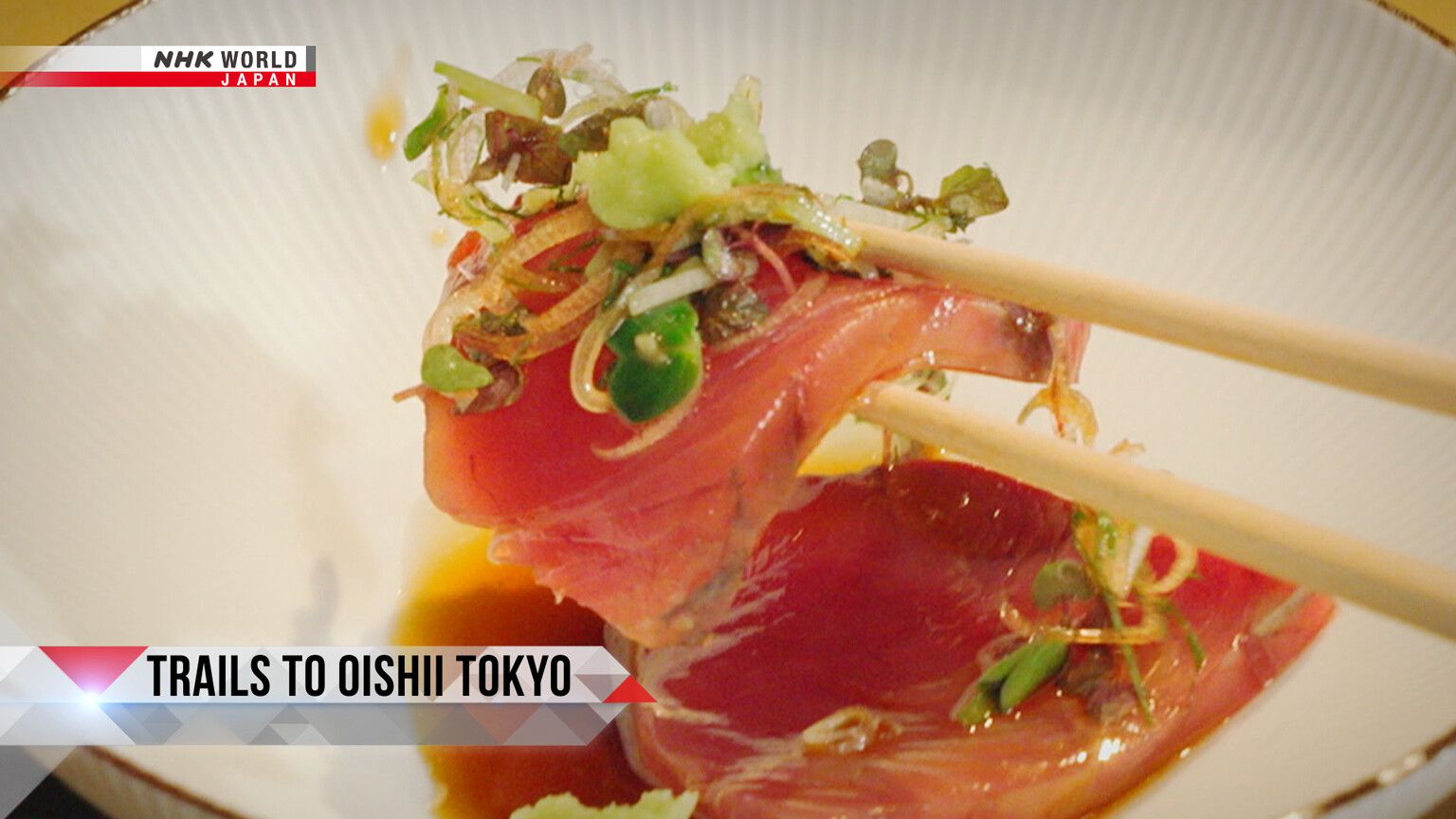 ภาพจากสารคดี Trails to Oishii Tokyo ตามรอย "โออิชี" แห่งโตเกียว
The appeal of Trails to Oishii Tokyo lies in the fact that it doesn't just take us to look at and taste food. It also takes us on a journey to uncover the stories behind the flavours that we might never have known. By structuring the program to focus on the story of just one ingredient per episode and presenting it as a deep "trail" to its source to its final presentation on the consumer's plate, each episode virtually covers the food ecosystem. This includes cultivation and harvesting, as well as preparation and cooking. Examples include: the story of the Hokkigai (surf clam) brimming with umami, the multitude of lemons that create diverse flavours, onions used in traditional cooking techniques, Natto—the uniquely scented fermented soybean product from Mito, which is considered the Natto capital, and Matcha green tea from Uji, Kyoto Prefecture, where traditional tea cultivation and production are practiced, along with the preservation of the Matcha tea ceremony, an integral part that shapes the spirit of Japanese culture.
This narrative style allows the documentary to explore Japanese culture deeply. Tracing one ingredient at a time enables the program to fascinatingly weave in detail about the climate in each region, history, agricultural practices, environmental concepts, and the delicate, artisan-like approach of the Japanese people's work. The substance of each episode is not only about advertising what is delicious, like typical food shows, but also about inviting us to see the broader food ecosystem, prioritizing the ingredient over the chef, and presenting an understanding of the relationship between "environment" and "flavour."
 ภาพจากสารคดี Trails to Oishii Tokyo ตามรอย "โออิชี" แห่งโตเกียว
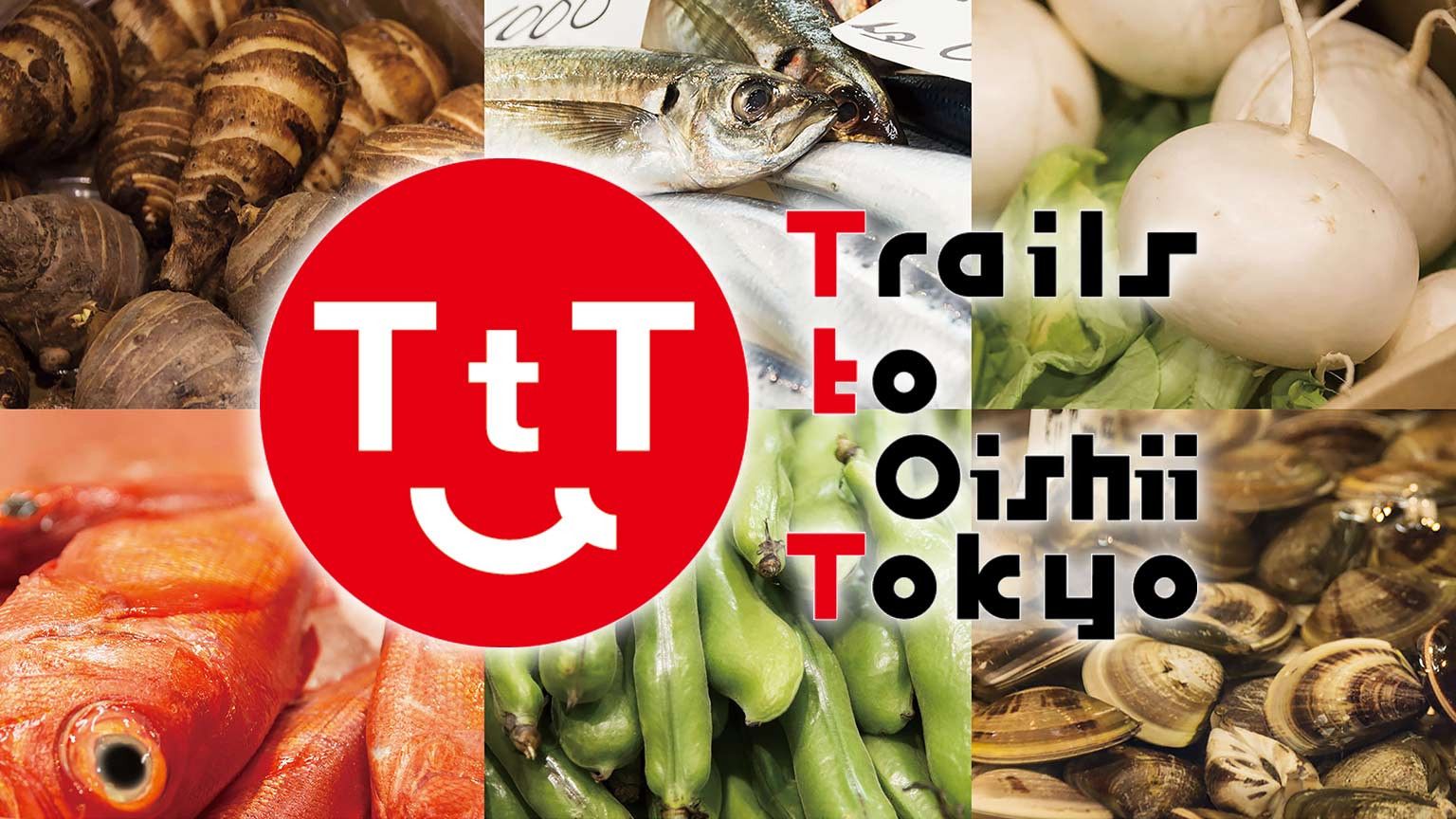 ภาพจากสารคดี Trails to Oishii Tokyo ตามรอย "โออิชี" แห่งโตเกียว
To summarize, this program gradually instills the idea that "It is because the Japanese people possess this love, value, and appreciation for natural ingredients that their food is so special." This, of course, is the role of excellent soft power. It not only makes us crave the deliciousness before us, instantly wanting to rush out and consume Japanese food, but, more profoundly, it also makes us ready to embrace their "beautiful culture" and "Japanese identity" simultaneously, without feeling that we are being force-fed.
About Author