The Here Now Project When the world cries out through a phone camera
Read 0
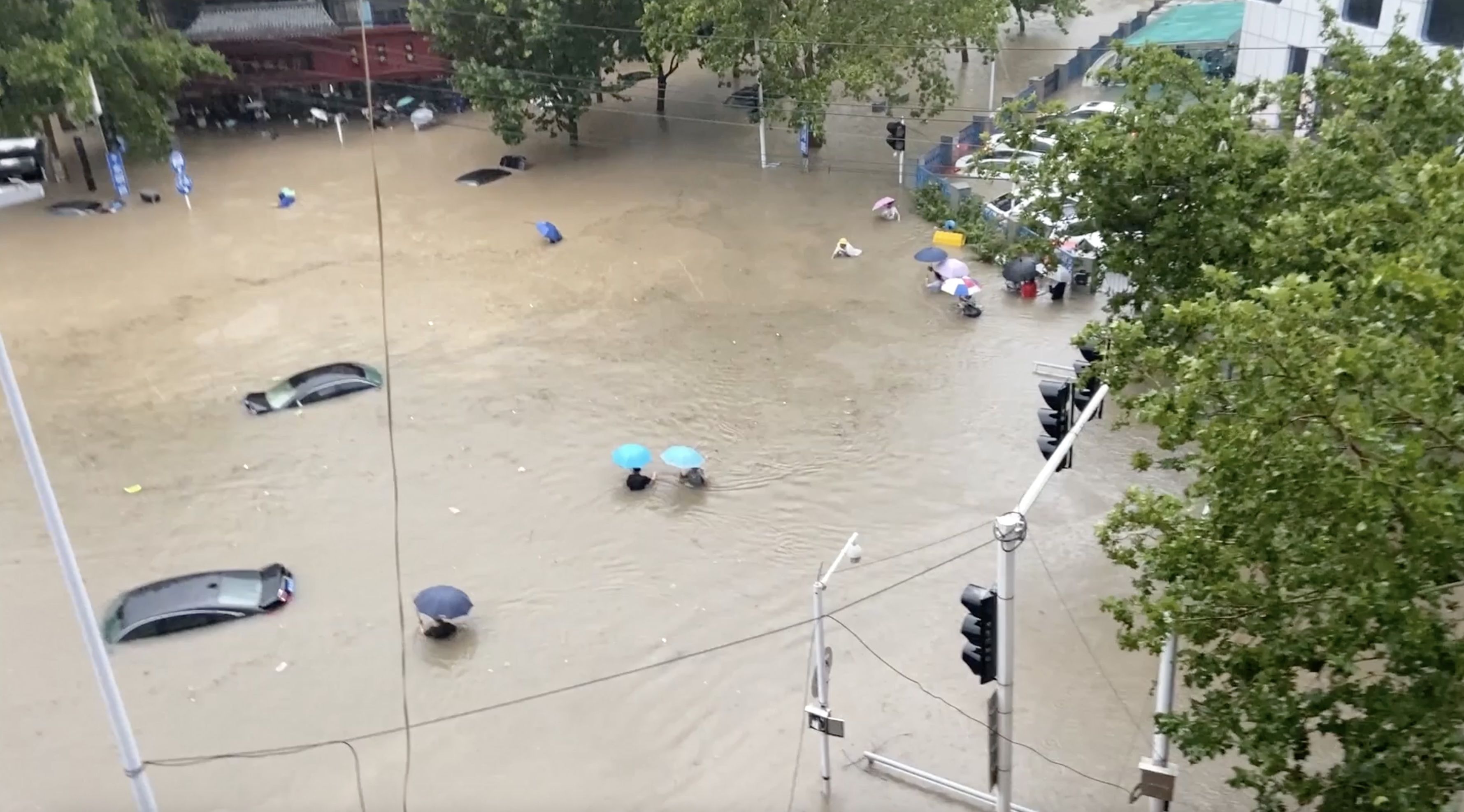
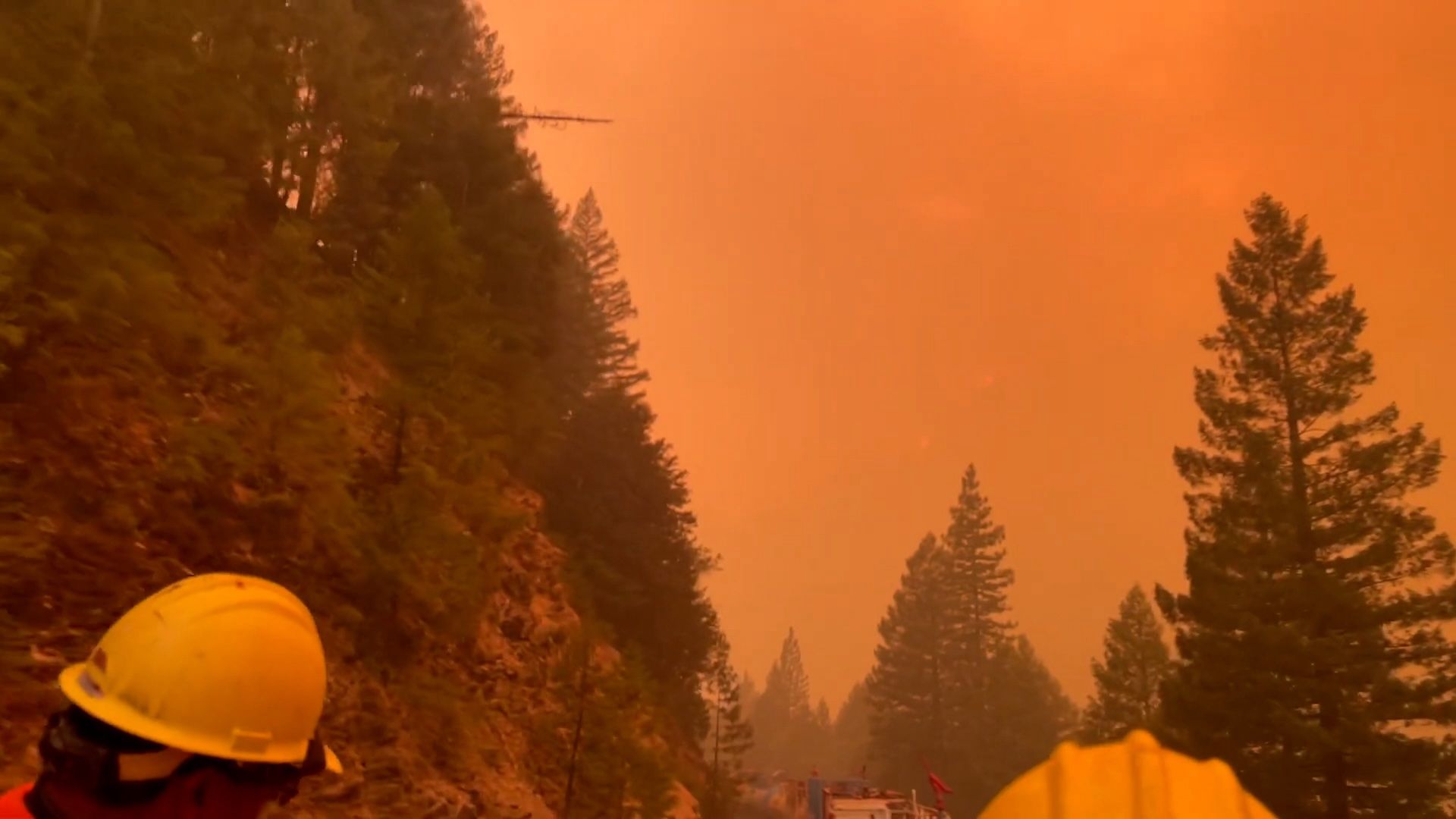
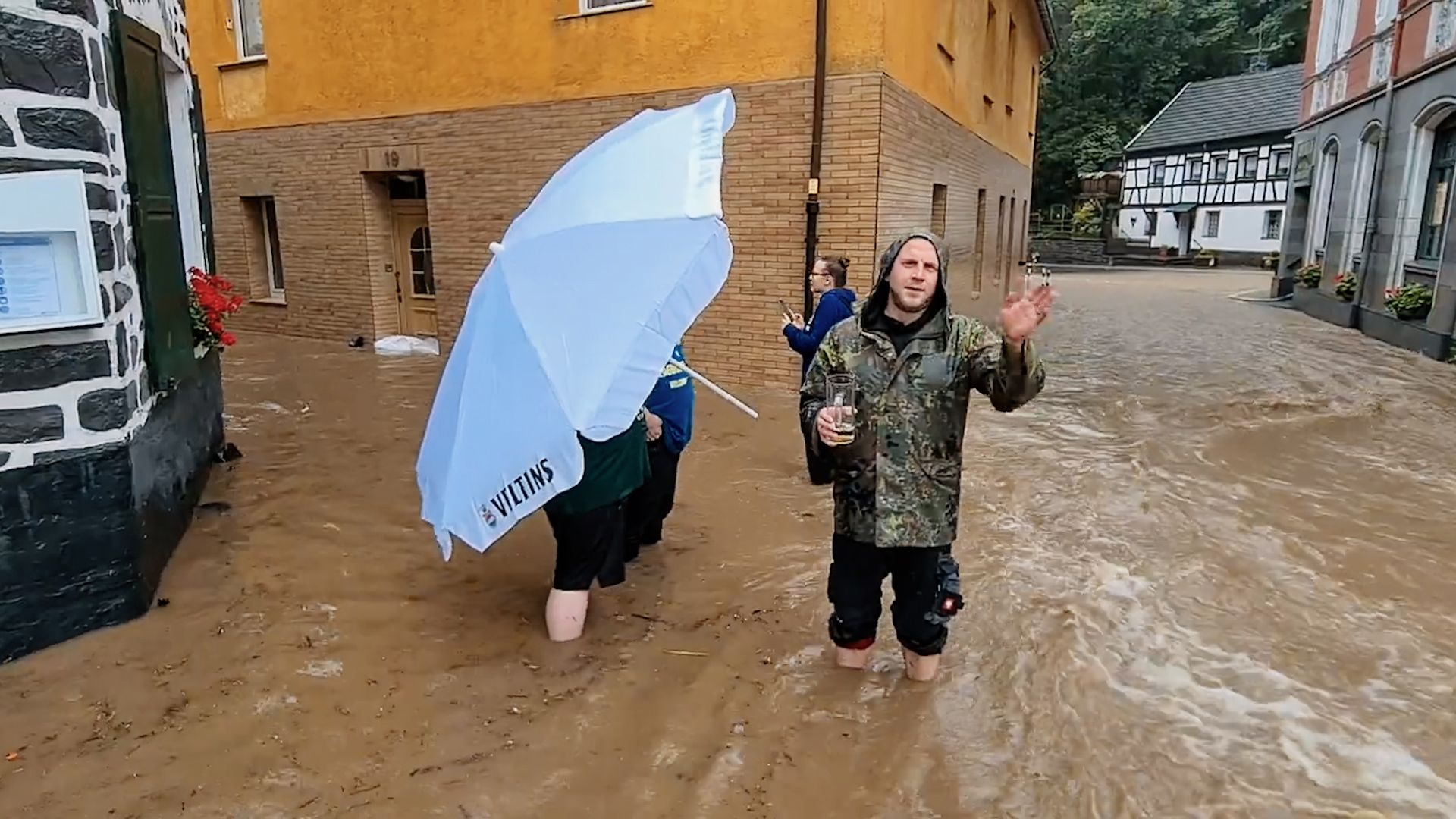
…the bitter cold that blanketed Texas in February 2021, becoming one of the most destructive disasters in U.S. history; unprecedented floods in Germany and China; storms so violent that homes in Indonesia and Brazil were torn apart; wildfires that ravaged vast areas in Siberia and British Columbia; the phenomenon of murky sea water in Turkey; and terrifying swarms of locusts that devastated crops across Kenya.
This is not a scene from any disaster movie showcasing special effects — but real events that happened in 2021. All of them appear in this documentary… making us feel as if we were standing right in the midst of these extreme situations ourselves.
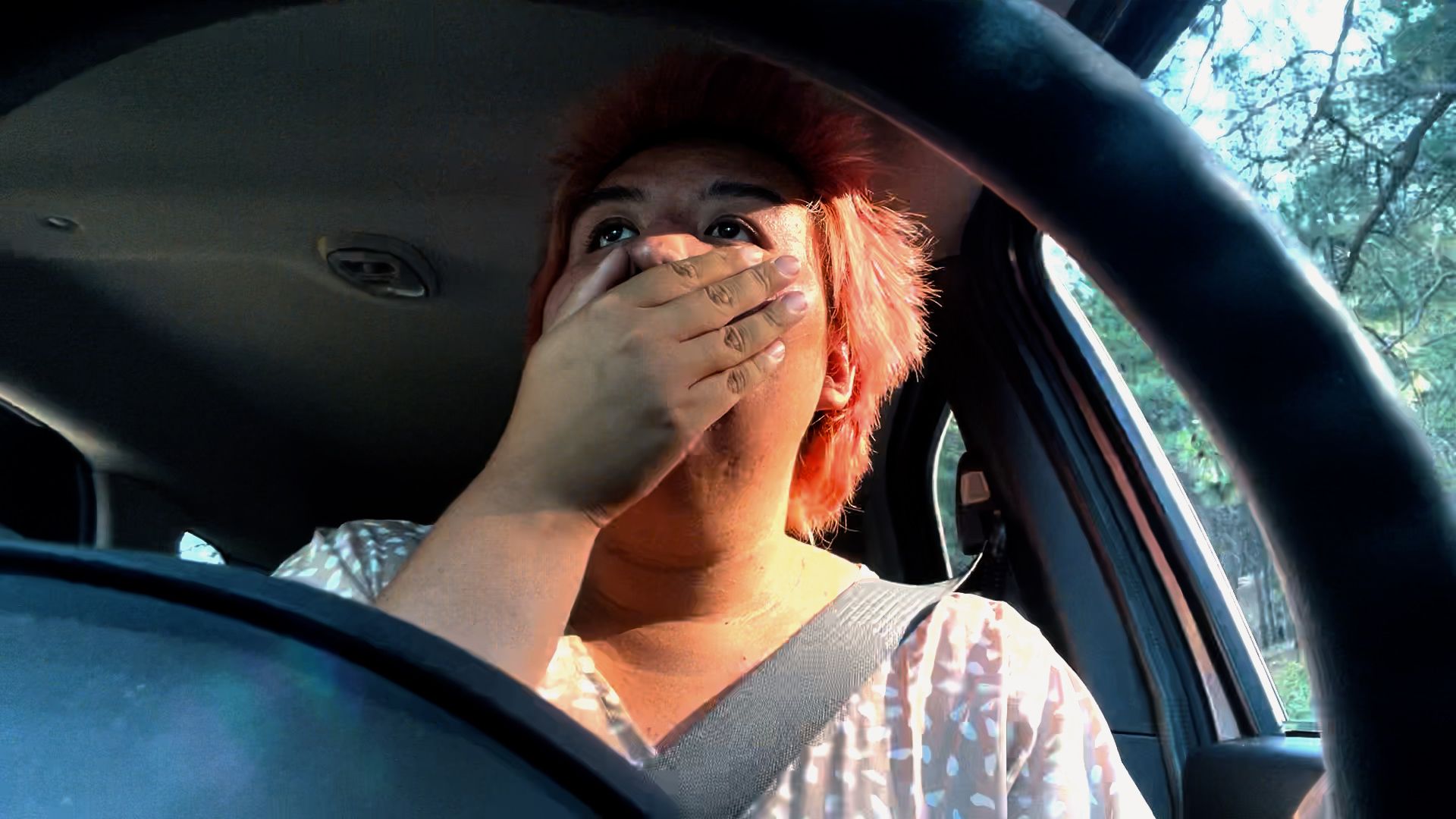
That’s because everything in the film comes from clips recorded on mobile phones and personal devices by people around the world — more than 200 sources in total. The documentary team spent 20 months gathering them from social media. What we see on screen is therefore not staged, but real — filled with raw emotions in those very moments: panic, fear, and despair, all consequences of climate change that is no longer a distant issue.
 ภาพจากสารคดี The Here Now Project
 ภาพจากสารคดี The Here Now Project
 ภาพจากสารคดี The Here Now Project
Greg Jacobs and Jon Siskel, two veteran documentary filmmakers, had already used this same compelling approach in their previous work 102 Minutes That Changed America, which told the story of 9/11 through a montage of numerous clips filmed by ordinary people. Their films stand apart from traditional documentaries (which often rely on interviews with experts, scientists, or politicians to summarize events) because they aim to capture the raw emotions of those directly affected — allowing viewers to connect deeply with what they see, without the need for explanation.
Jacobs made an interesting point: today, there are countless documentaries that try to provide information about climate change — but to some extent, this might actually have a negative effect, causing people to become numb to the issue. Many others might feel that knowing more doesn’t help, that it’s either too distant or, even if it’s close, there’s nothing they can do. He hopes that by showing us the shocking (and undeniably close-to-home) consequences experienced by “people just like us” in different parts of the world, the film can help counter that sense of helpless detachment.
 ภาพจากสารคดี The Here Now Project
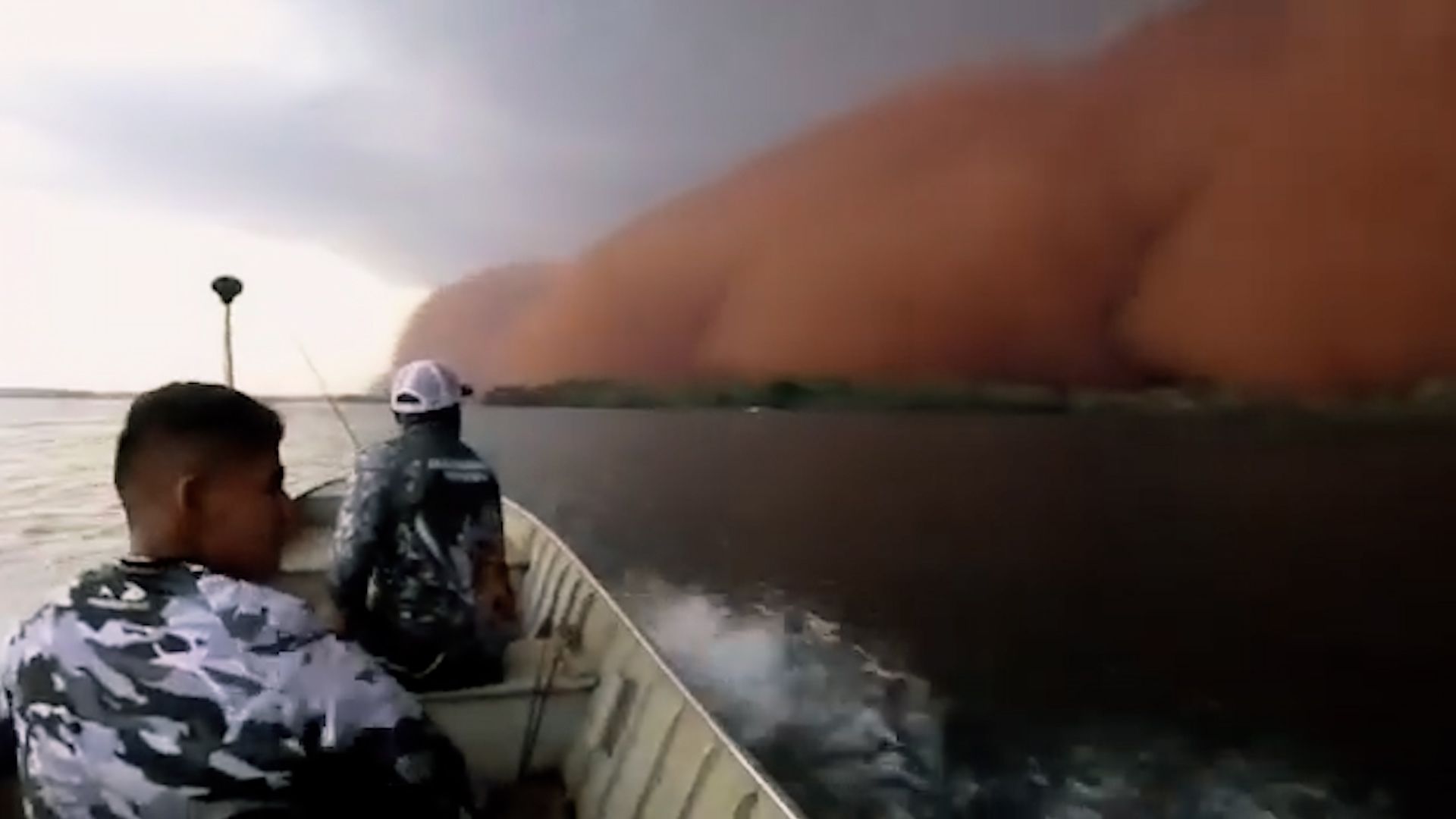 ภาพจากสารคดี The Here Now Project
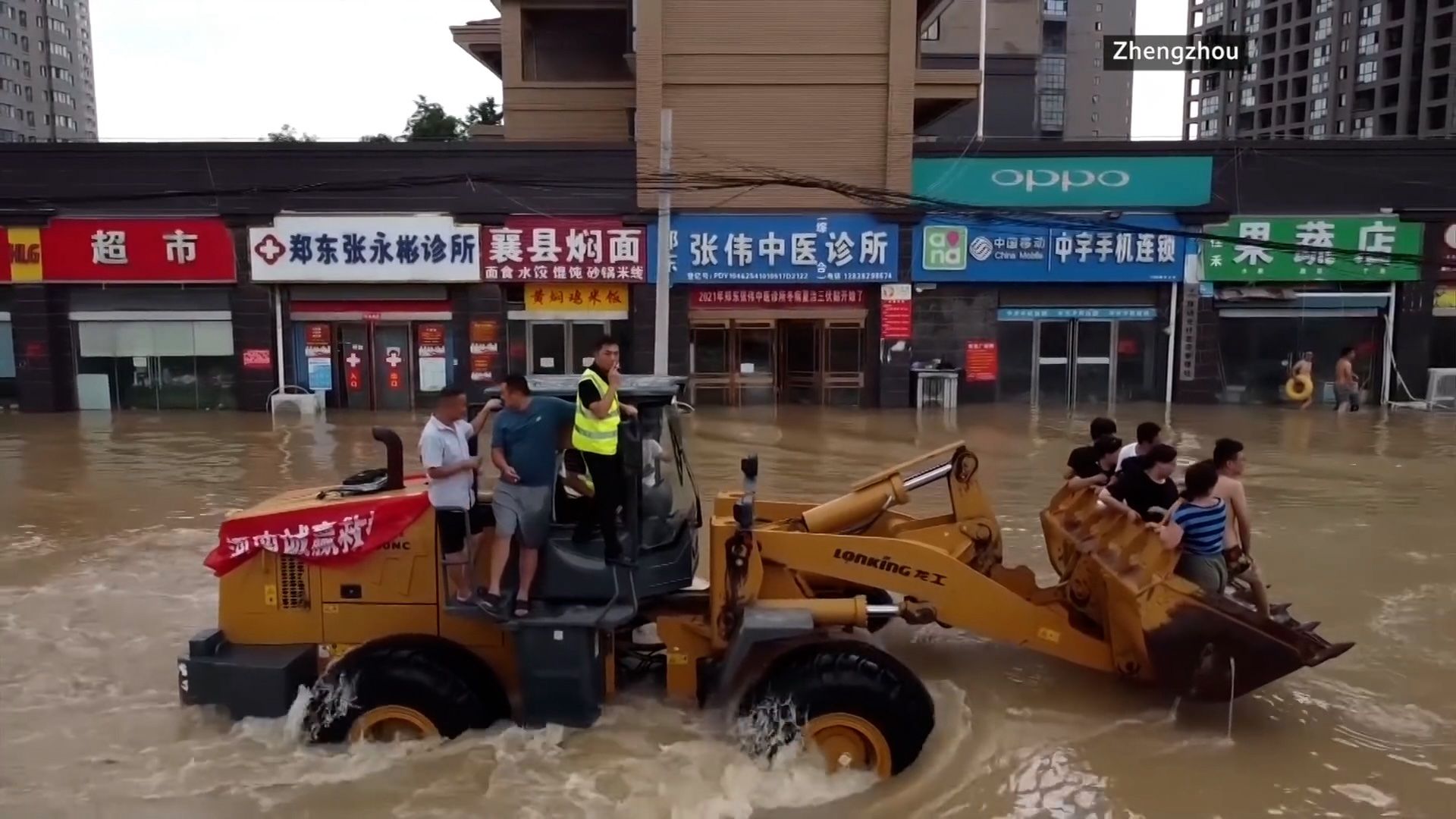 ภาพจากสารคดี The Here Now Project
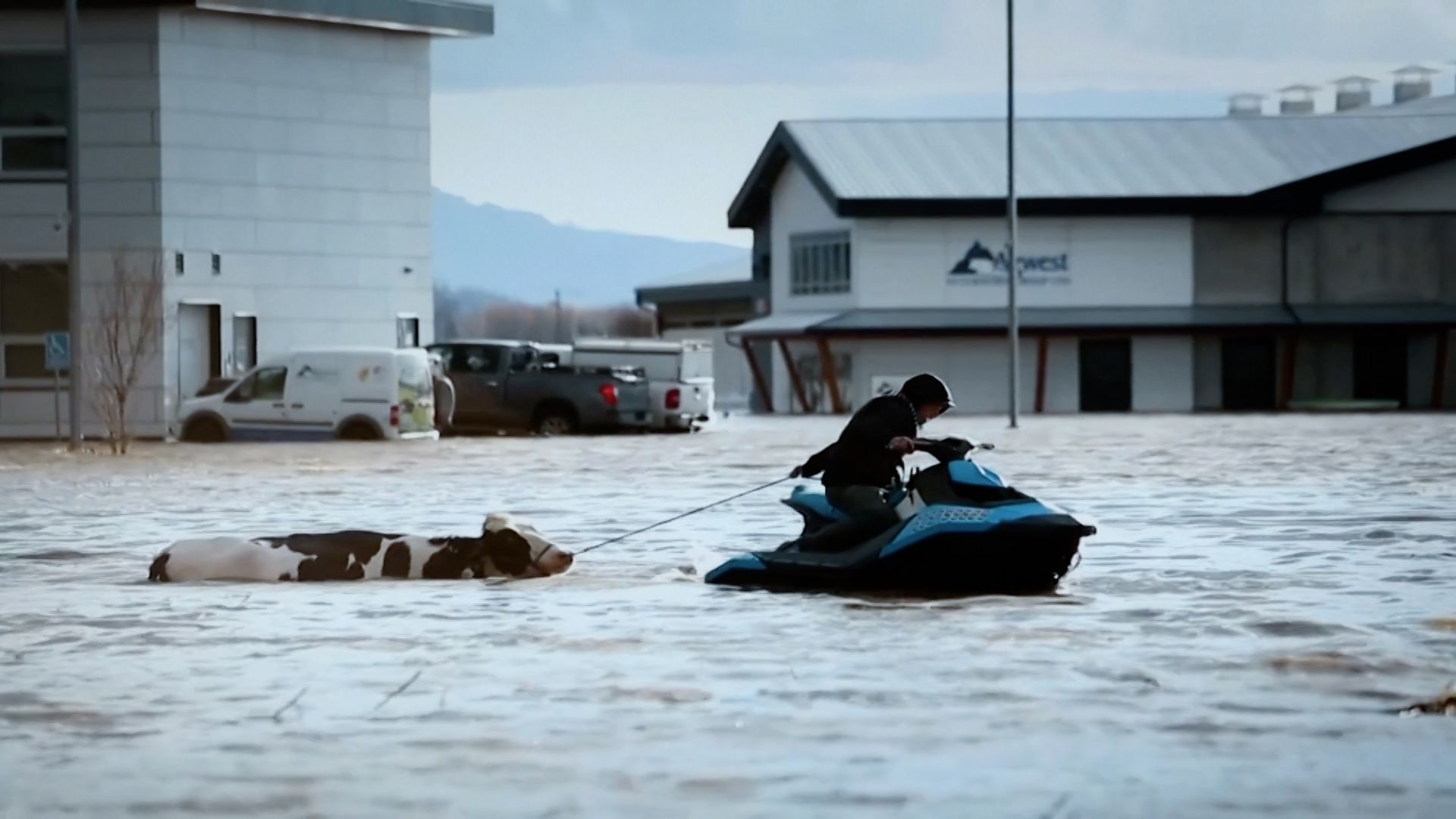 ภาพจากสารคดี The Here Now Project
Beyond its powerful footage, The Here Now Project also features a fascinating behind-the-scenes element — the original score by Kubilay Uner. He crafted the entire soundtrack using sounds taken directly from the collected clips — the roar of storms, the crackle of fire, the cries of people — transforming them into orchestral compositions that heighten the film’s atmosphere of urgency and intensity.
However, even though both the visuals and sounds evoke a sense of alarm, that’s not the only message the film seeks to convey. It also shows people extending kindness and helping one another in times of crisis — a reflection of the truth that no one can face a problem of this magnitude alone. Moreover, the film ends with a series of short clips in which many individuals “send messages to the world.” These aren’t calls to take specific actions (as we often see in environmental documentaries) but rather appeals for courage — the courage to confront reality and to stand together in finding a way out of this crisis.
“By witnessing these disasters through the experiences of the people in the film, we can become stronger in facing them — in case one day they happen to us,” Jacobs said in an interview. “I hope this film helps viewers feel that we can get through all of this together with others who are just like us — and that we can respond to these catastrophes with our shared humanity.”
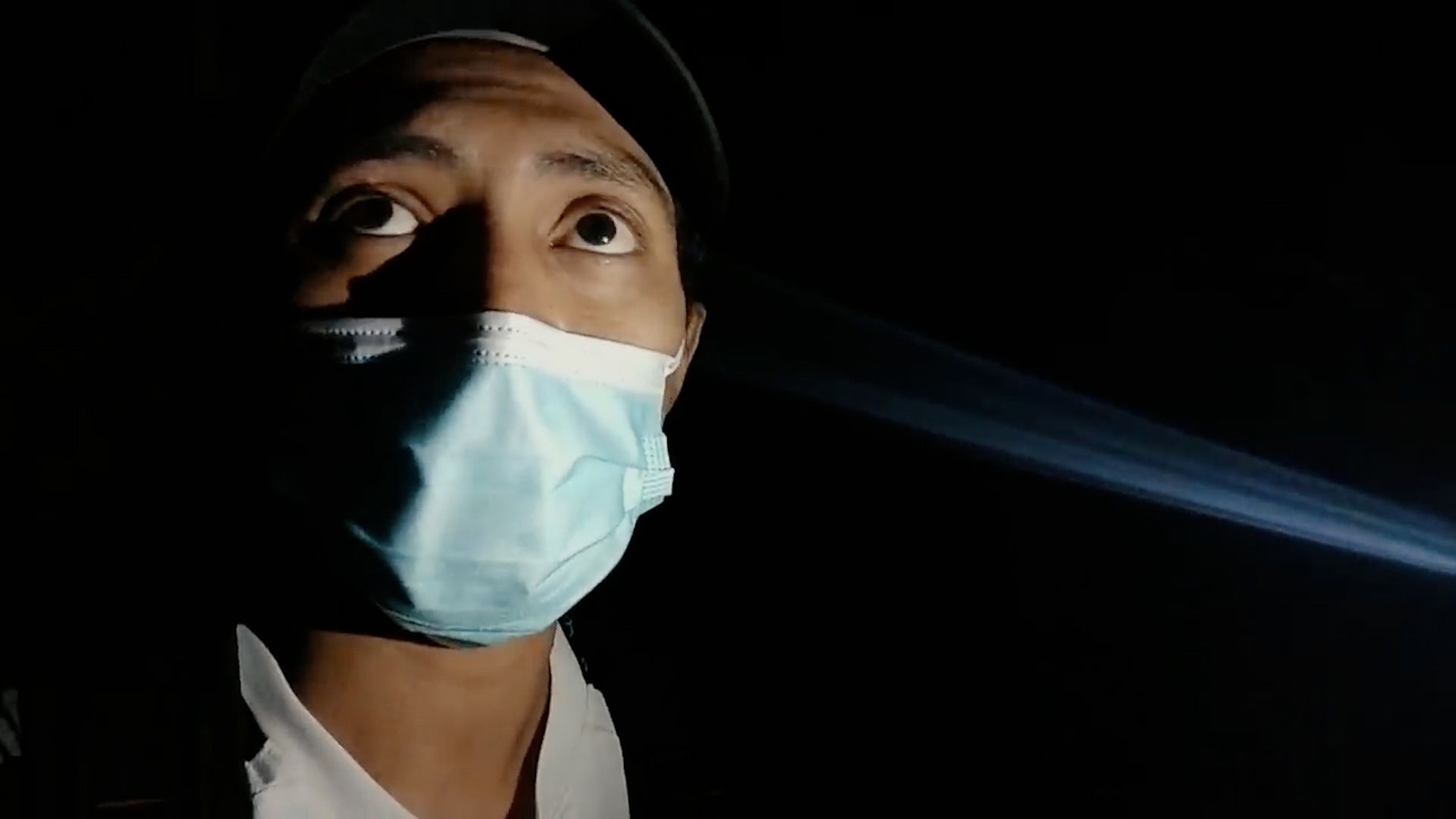 ภาพจากสารคดี The Here Now Project
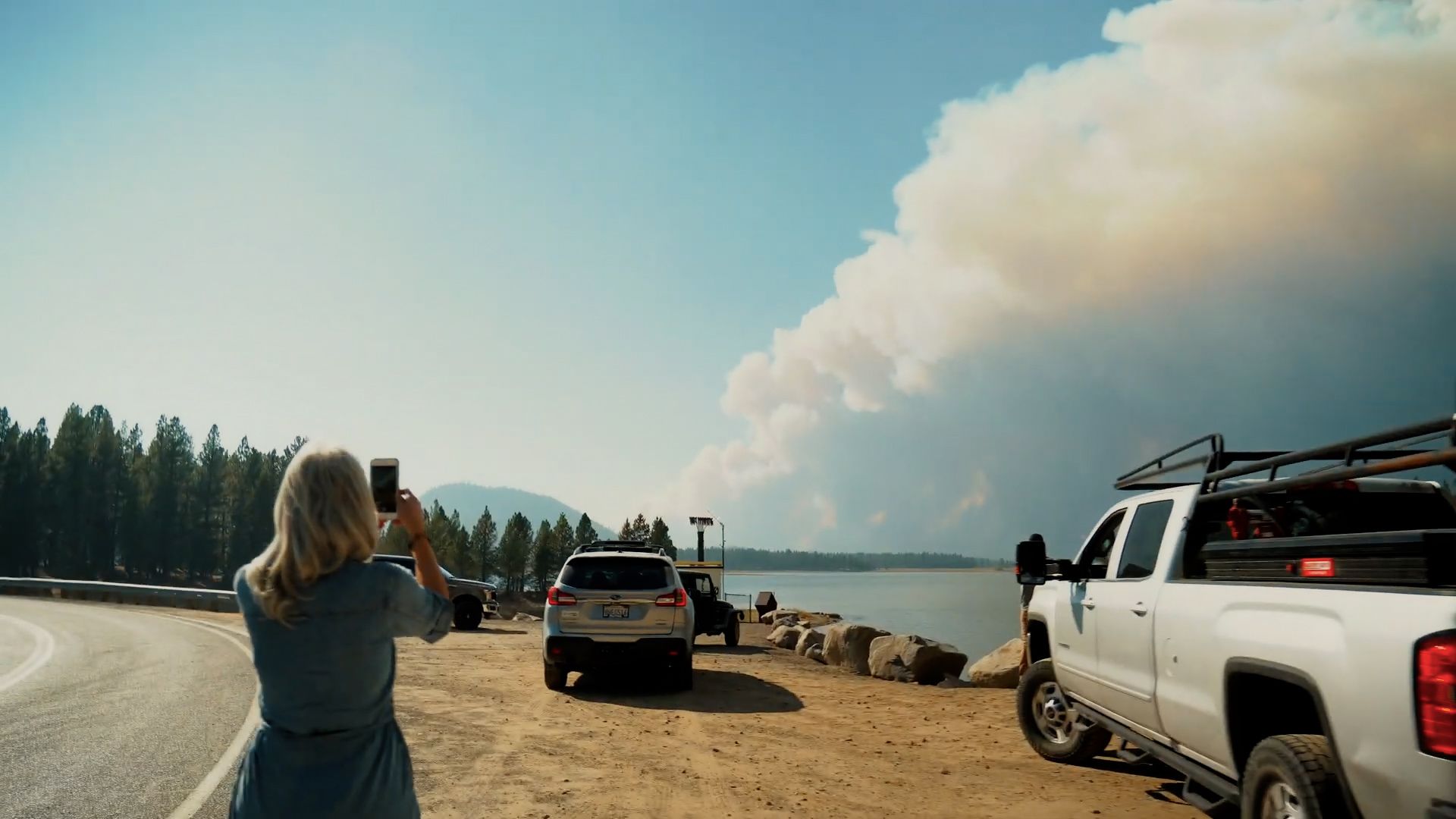 ภาพจากสารคดี The Here Now Project
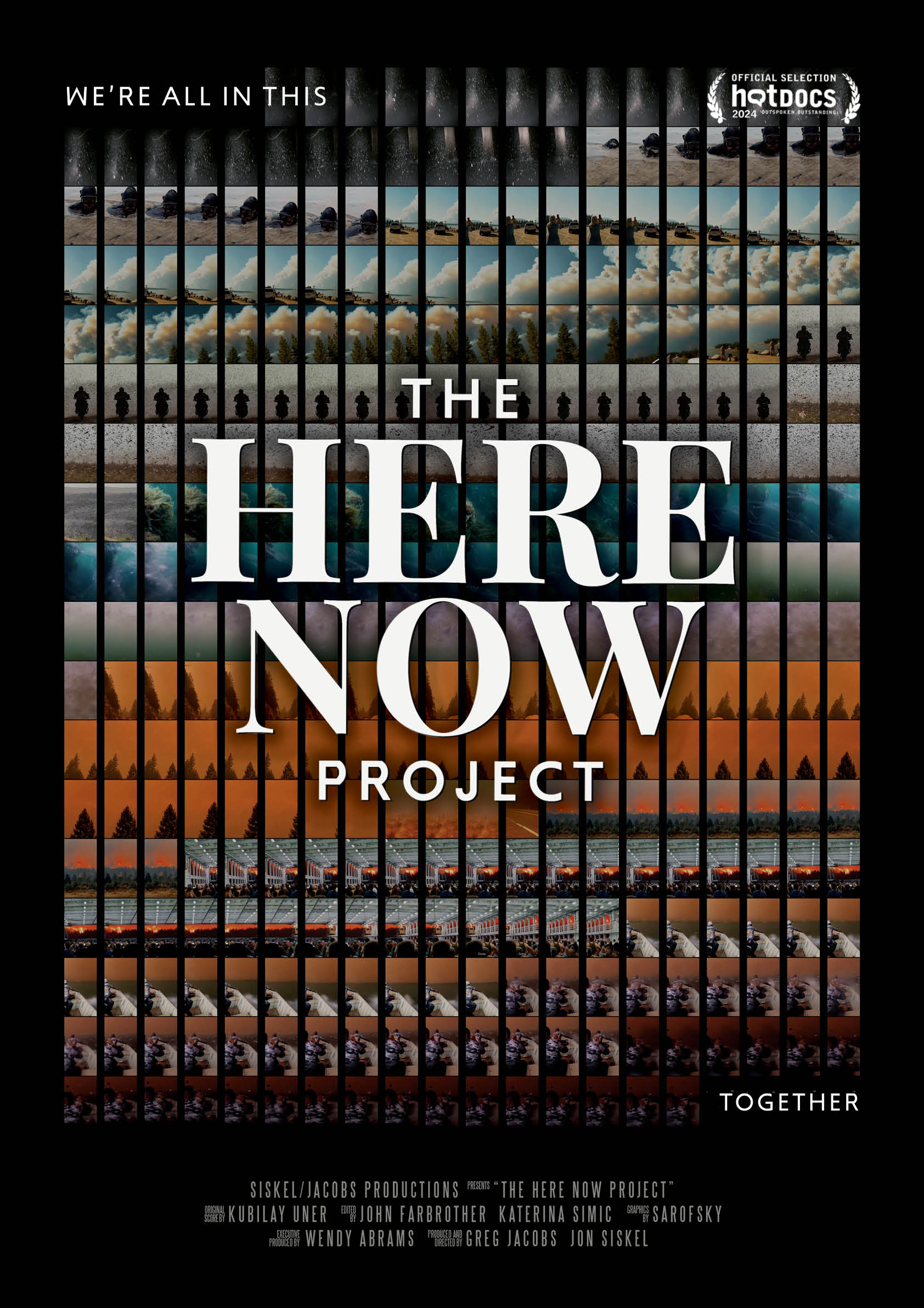 ภาพจากสารคดี The Here Now Project
About Author